Flow FL-100
Overview
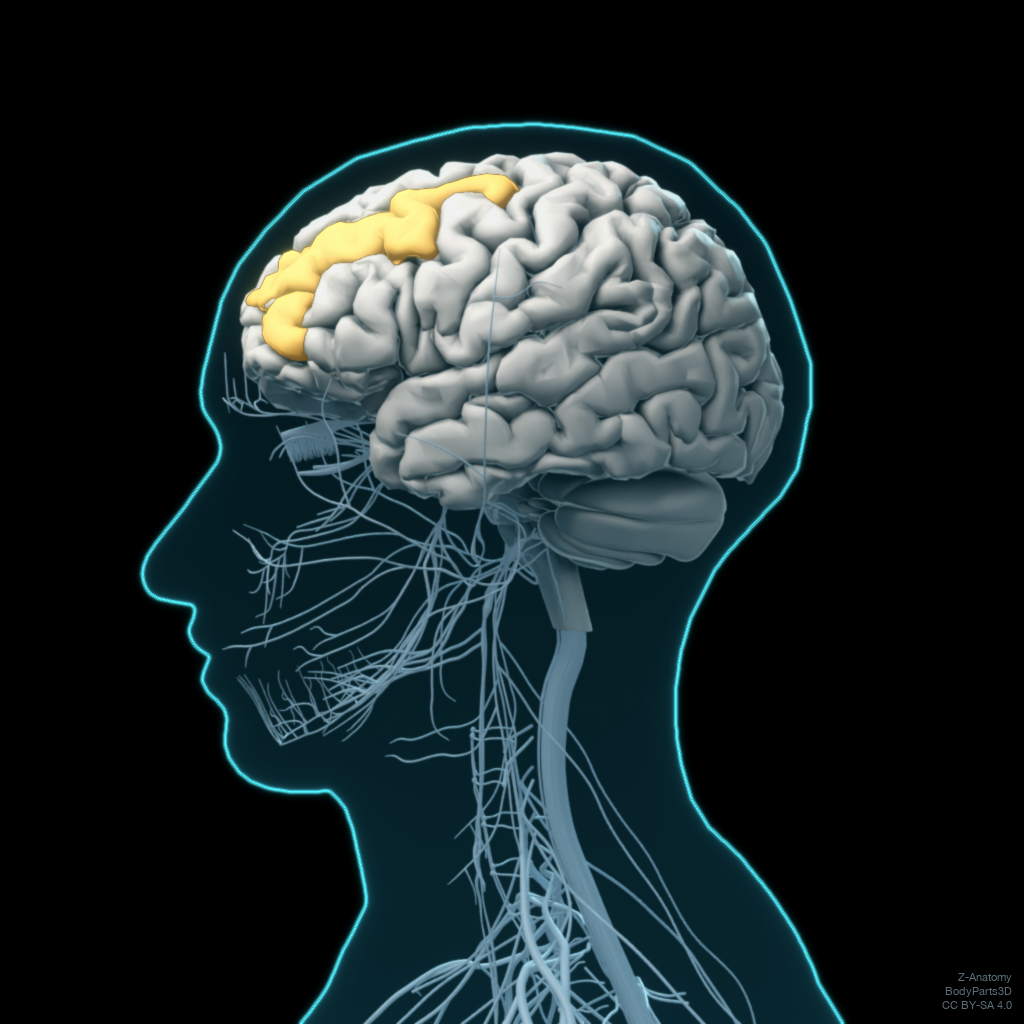
Flow FL-100 is a consumer transcranial direct current stimulation (tDCS) headset for depression, controlled from a companion application over Bluetooth Low Energy (BLE). It delivers 2 mA of direct current to the dorsolateral prefrontal cortex through an F3/F4 bifrontal montage. This report documents a hard-coded-credential vulnerability in the device's Bluetooth interface.
Security findings
Coordinated Vulnerability Disclosure
CWE-798 • Use of Hard-coded Credentials
Affected units carry an undocumented hard-coded credential, shared across all devices, that is authorized to bypass authentication. An attacker within Bluetooth range can use it to arbitrarily manipulate the device's brain-stimulation parameters and state, including overriding safety limits.
Flow released a firmware fix; affected users should update through the companion mobile application.
Disclosure timeline
- Initial vulnerability report to CNA (CISA ICS)
- Vendor released a firmware fix
- CVE entry / advisory published
External links
- CVE-2026-18164 (nist.gov)
- EUVD-2026-58274 (europa.eu)
- CISA ICSMA-26-225-01 (cisa.gov)
Revision history
- August 2026
- Initial release following public disclosure of CVE-2026-18164.