Mendi
Overview
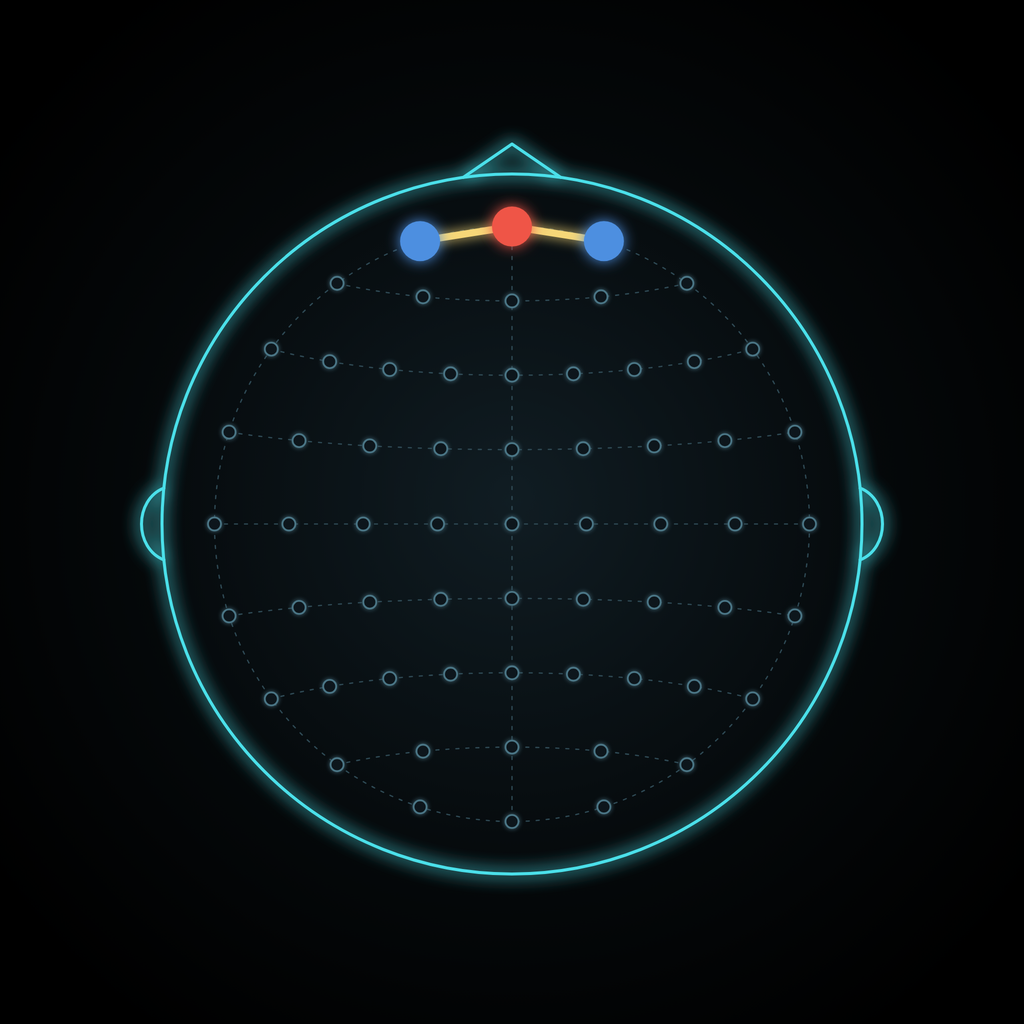
Mendi is a consumer neurofeedback headset that measures prefrontal blood-oxygenation with functional near-infrared spectroscopy (fNIRS) and streams it to a companion application over Bluetooth Low Energy (BLE). It senses through two channels using near-infrared light at 660 and 805 nm. This report documents a cleartext-transmission vulnerability in the headset's wireless telemetry.
Research output
Wireless Interception of Functional Neuroimaging Transmissions
Security findings
Coordinated Vulnerability Disclosure
CWE-319 • Cleartext Transmission of Sensitive Information
The affected product is the Mendi Neurofeedback Headset V4, in its Bluetooth Low Energy handler. Neural activity data is transmitted in cleartext, so an attacker able to observe BLE traffic within radio range can recover it. The attack requires adjacent access and is rated high complexity.
The vendor was contacted early about this disclosure but did not respond.
Disclosure timeline
- Initial vulnerability report to CNA (VulDB)
- No response from vendor; CVE entry published
External links
- CVE-2026-2671 (nist.gov)
- EUVD-2026-10185 (europa.eu)
- VulDB VDB-349702 (vuldb.com)
Revision history
- March 2026
- Initial release following public disclosure of CVE-2026-2671.